How to Ride Mauritania’s Iron Ore Train After the 2024 Ban
How to Ride Mauritania’s Iron Ore Train After the 2024 Ban
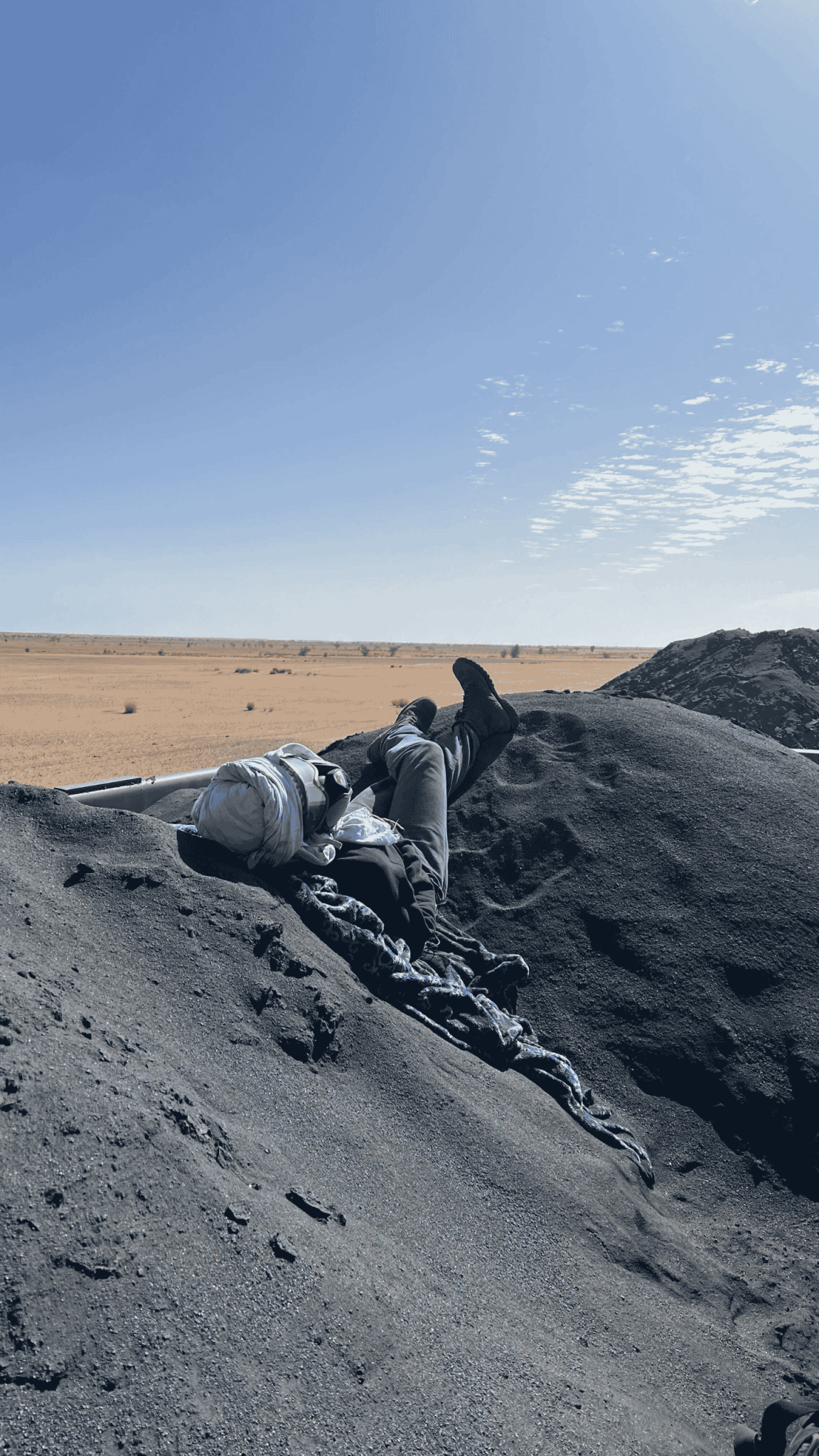
If you’ve found this article, you already know about the Mauritania iron ore train. You’ve probably seen the videos, including mine (which you can watch here). And you’re wondering the same thing everyone is wondering since November 2024: can you still ride the Mauritania iron ore train after the ban? The short answer is yes. I rode it after the ban as a solo female traveler. Here’s everything you need to know.
What is the Mauritania Iron Ore Train?
The iron ore train runs approximately 700km across the Sahara Desert from the mining town of Zouerat to the coastal city of Nouadhibou. It is one of the longest and heaviest trains in the world, carrying iron ore from the mines of the Sahara to the Atlantic coast, where it is shipped around the world. Mauritania is one of the world’s major exporters of iron ore, used in the production of steel, and this train carries it to the coast, where it is then exported to multiple countries around the world.
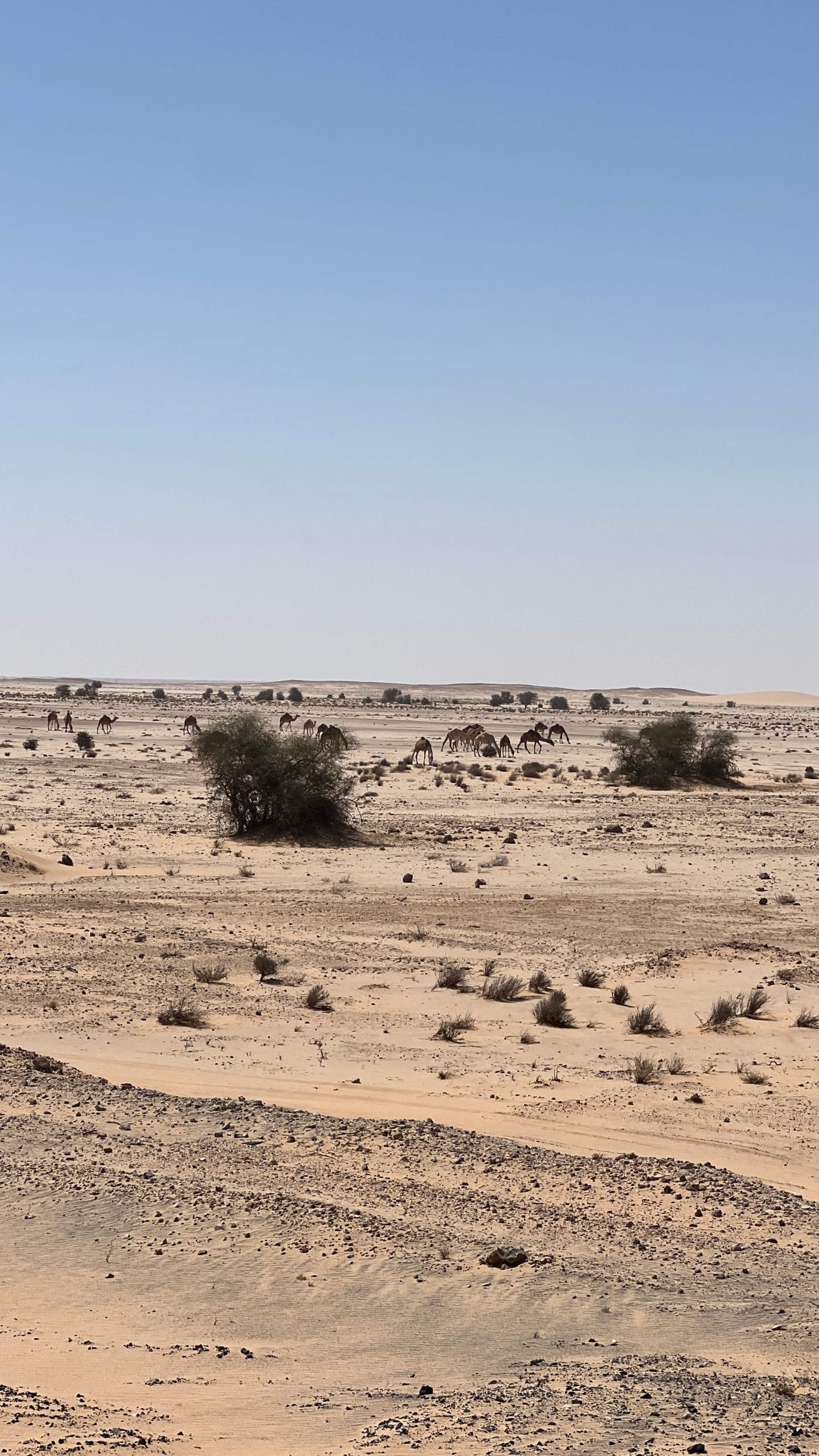
For decades, locals have been using it as a mode of transportation, and eventually adventurous travelers decided to jump on it too: sitting on top of the iron ore in open wagons, crossing the edge of the largest hot desert in the world.
It was never officially legal for tourists. And in November 2024 it was formally banned.
But people are still riding it. Including me.
Why Was the Iron Ore Train Banned? The Real Story
Most travel content covering this ban will tell you it’s about safety or logistics. That’s not the full picture.
Mauritania sits at the very edge of the Sahara and borders what is called the Sahel region. Leaving through Northern Africa, especially Libya (where you can get caught and sold off as a slave) is extremely dangerous, and violence across the region has been increasing. This isn’t about economic opportunities. It’s about survival and this leaves people no choice but to flee their countries through alternative routes.
The iron ore train is one of their last options: it runs through the desert in the middle of the night, largely unmonitored, solving a major logistics problem for people trying to reach the coast and onwards to Europe.
The European Union has been funding Mauritania significantly to control Sahel migration flows. The train ban, I believe, is directly connected to this funding. Banning tourists from riding it gives authorities a legitimate reason to monitor and control who boards – tourists or otherwise. The amount of checkpoints I passed through Mauritania is another indicator of how quickly the situation is changing and how much EU pressure the country is under.
I say this as someone with a Master’s in Human Rights and International Conflict who has been studying these patterns for years.
For context: influencers often call this the most dangerous train in the world for clicks. It is not. El Tren de La Muerte in Mexico (which carries migrants and refugees fleeing violence) is the most dangerous train in the world. These trains serve as means of escape from conflict. The Mauritanian iron ore train is uncomfortable. It is not dangerous. Understanding the difference matters.
Before You Go: Getting to Mauritania
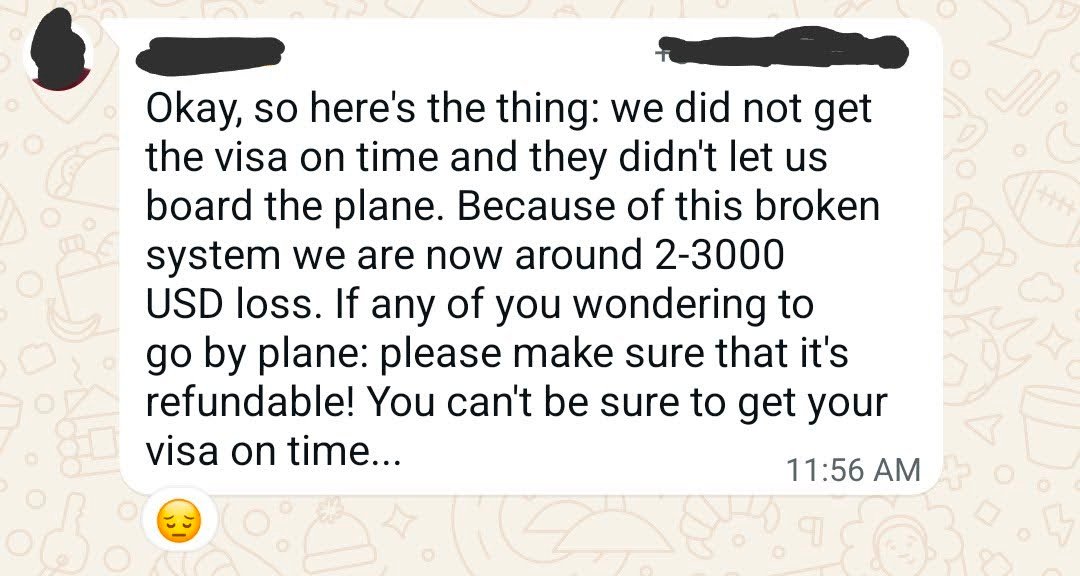
Visa: Mauritania recently moved from visa on arrival to an e-visa system. The platform is notoriously unreliable and even travel agencies struggle with it. Some say to apply as early as possible and be patient; others say your application should go through 30 days before arrival. Hopefully by the time you’re reading this the system has improved, but don’t count on it. I was stranded with dozens of people across the border for days at a time because of how unreliable the system is. Don’t forget to always have insurance while traveling. I recommend SafetyWing.
Currency: Euro is king in Mauritania, more than USD. Your guides and guesthouses will happily accept euros. For smaller purchases at local shops and restaurants, ouguiyas are preferred. Cash is absolutely essential throughout the country. Carry more than you think you need at all times. ATMs dispense limited amounts and are not readily available everywhere.
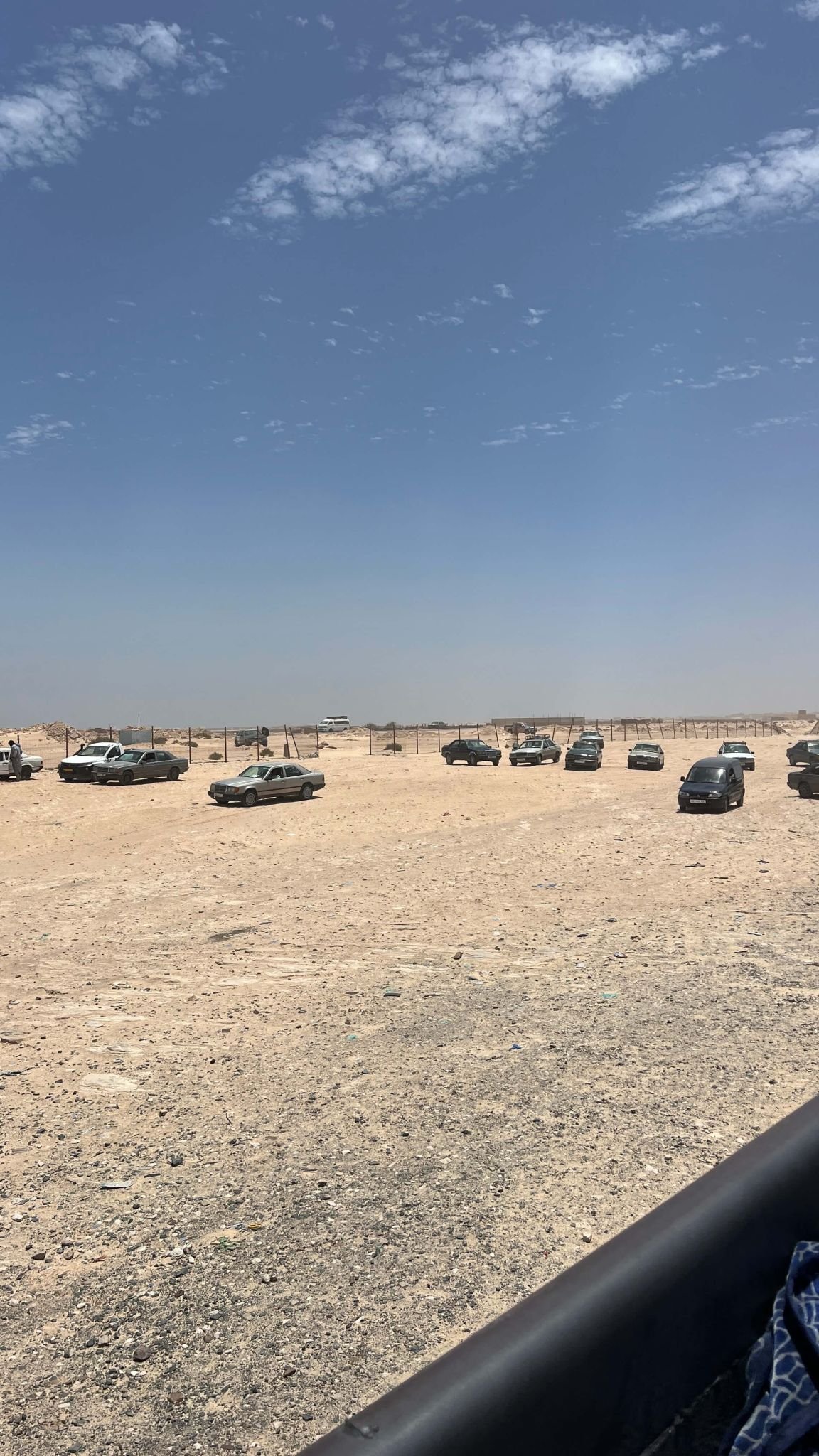
Getting There: Most people fly into Nouakchott, the capital. From there you can take a local taxi to the garages where buses depart in all directions. You can also cross in from Senegal, as I did, or from Western Sahara. Both are significantly cheaper than flying directly into Nouakchott. Dakar and Dakhla have low-cost options from European airlines.
Printed Copies of Your Passport: you’re a foreigner and you’ll be scrutinized across every checkpoint. To make things easier for fellow local passengers, carry copies of the photo page of your passport. Black and white is enough. Carry about 20 with you.
Spend Time in Atar First
Do not fly into Nouakchott and head straight for the train. You will miss some of the most extraordinary parts of Mauritania entirely.
Atar is the base for the Saharan interior (Chinguetti, Ouadane, the oasis areas) and it is amazing. I’ve written a full guide to things to do in Mauritania and places to visit in Mauritania covering all of this in detail. Plan a minimum of two nights and three days in the region if you’re doing it properly. I wish I had stayed longer.
Important: Atar is where you buy all your supplies for the train. Do not leave this for Choum. More on that below.
From Nouakchott you can reach Atar directly. Just ask at your local accommodation for the exact spot for the garage. From Atar, you travel onward to Choum, which is the main boarding point for the train.
Buying Supplies in Atar
Before you leave Atar, buy everything you need. This is an additional blog post I wrote with a packing list for the iron ore train.
If you can charge your devices before leaving Atar, do so. And then again at the Choum guesthouse while you wait. You might wait an hour or two days. You will have no opportunity on the train.
Why Choum and Not Zouerat
Zouerat is where the train originates. It is also heavily monitored and controlled because it’s where the mining company operates. Getting on in Zouerat without being caught is extremely difficult. It’s the first stop and authorities know exactly what tourists are attempting.
Choum is further along the route, smaller, and has significantly less oversight. It is technically also banned (nowhere along this route is officially legal for tourists) but the practical reality is that Choum is where people are actually making this journey without being stopped.
Tour Company or Solo?
If you’re traveling with a tour company, instead of hopping on the train in Choum, you’ll do it further down, closer to the coast. This means less hours on the train and more comfort. You don’t need to do it with a tour company – you can do it on your own. But obviously doing it with a group is a nice experience. Most companies will hop in from a smaller town right before sunrise. I don’t know the name of the town but it’s not reachable by public transportation. You need to have locals take you there.
The reported fine if you are caught is €50 and you get removed from the train. This comes from locals. I have not personally heard of anyone actually paying it. I freelance for a couple of travel companies that run tours in Mauritania and I’ve never heard of anyone getting caught. Once you are in the open desert, nobody is checking anything.
The Choum Guesthouse System
Book your stay in Choum before you arrive. When you get there, you will be picked up directly and taken straight to a guesthouse. The owners do not want obvious foreign backpackers wandering around a small town where it is entirely clear why you are there. Follow their lead without question.
This matters: the people facilitating your ride are taking a real risk on your behalf. If they are caught helping tourists board an officially banned activity, the consequences for them are far more serious than a €50 fine for you. Be discreet, follow every instruction, and do not draw attention to yourself or to them.
Rely on Reviews
There are guesthouses spread across multiple villages along the train tracks, not just in Choum itself. Check recent traveler reviews online and specifically look for places that have helped people coordinate rides. Many offer food and flexible accommodation because the train runs on no fixed schedule: it comes when it comes. I arrived at 4pm; the train came at midnight. It could just as easily have been two days later. Build buffer days into your itinerary.
While you wait: seal everything inside the dry sack (again, check my packing list), charge all devices, eat something, and rest. Get snacks sorted before arriving. There is very little available in Choum itself.
Boarding the Train
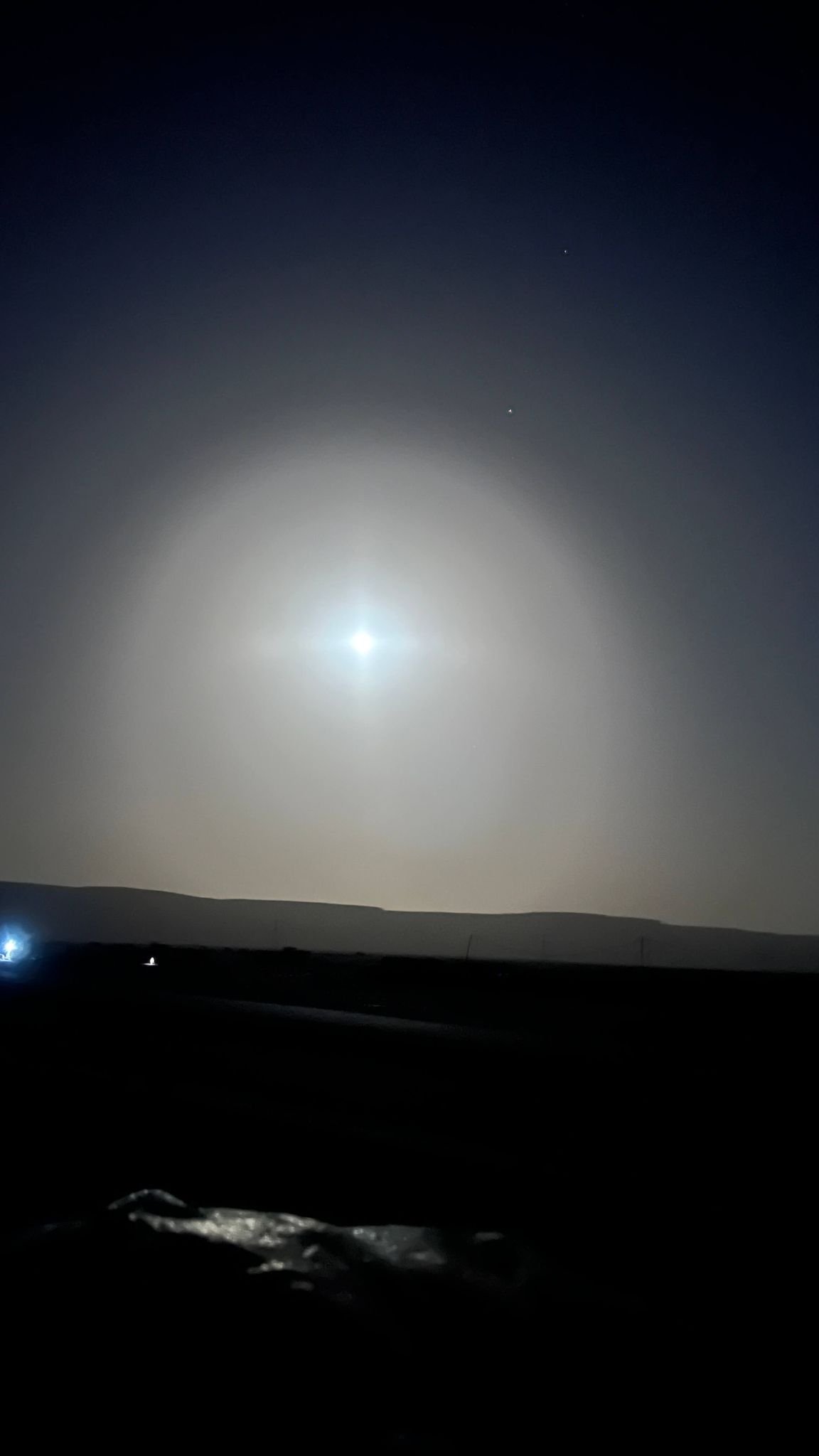
When the guesthouse gets word the train is coming, you will be driven out in complete darkness. No lights. A guesthouse staff member will come with you and help you load your bags. You will pay for this service and it will be worth it.
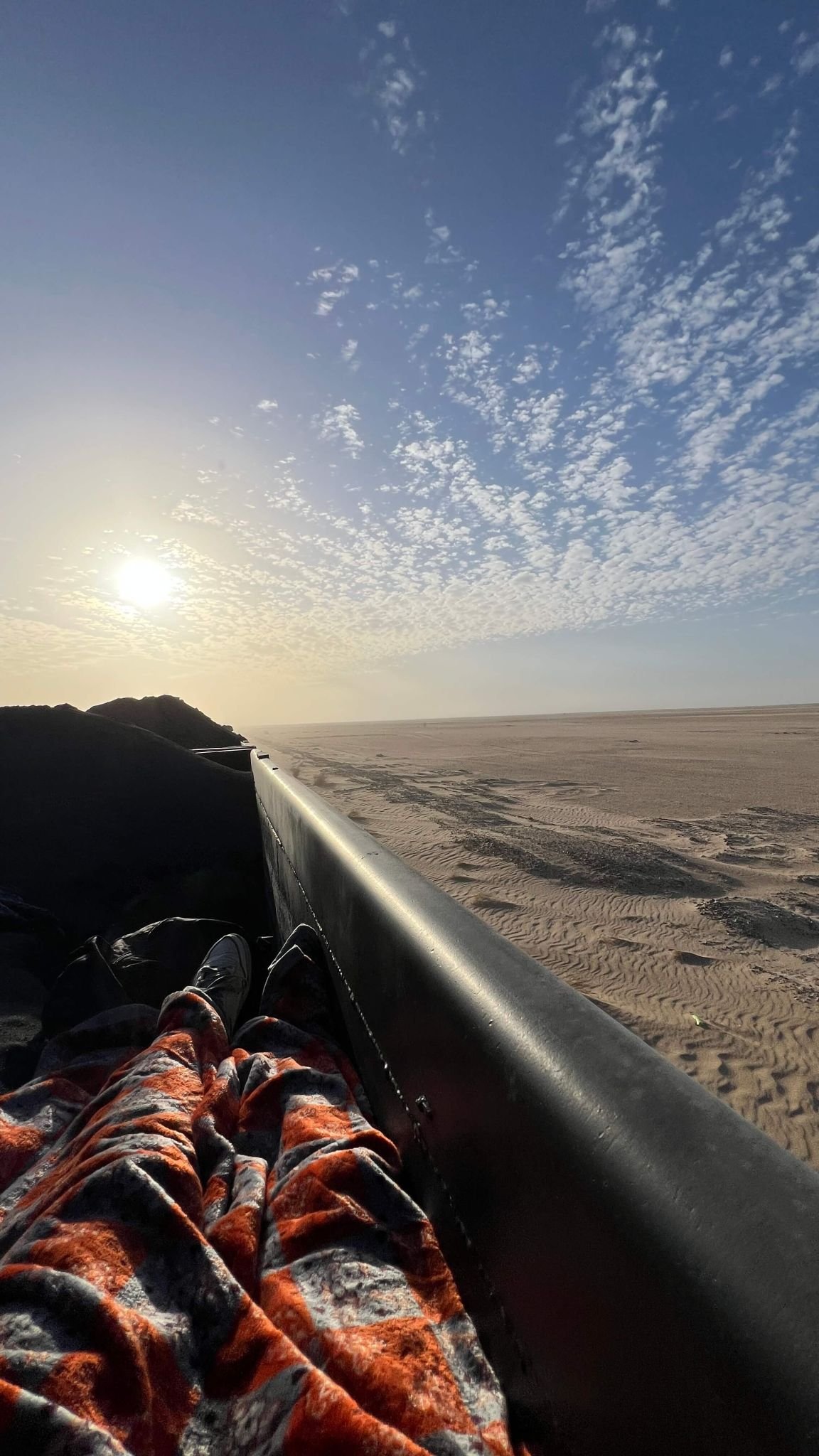
You have up to ten minutes to decide which wagon to board and load all of your things. This decision is critical. Choose a wagon with iron ore in it. You will be able to see the outline of the minerals in the dark. Try not using your flashlight – there might be police around. If you choose an empty one you will spend the entire journey seeing nothing but metal. In a loaded wagon you sit on top of the ore with an unobstructed view of the Sahara in every direction. Also make sure there is no one already in the wagon before you commit.
Loading bags in the dark alone is extremely difficult. Go with other travelers if at all possible. I connected with two others I had met in one of the guesthouses on the road and we helped each other throughout. Do not jump between wagons once moving. It is dangerous and completely unnecessary.
The train stops in a few towns after Choum. Lay low until you are well out into the open desert. Sleep if you can.
What the Ride is Actually Like
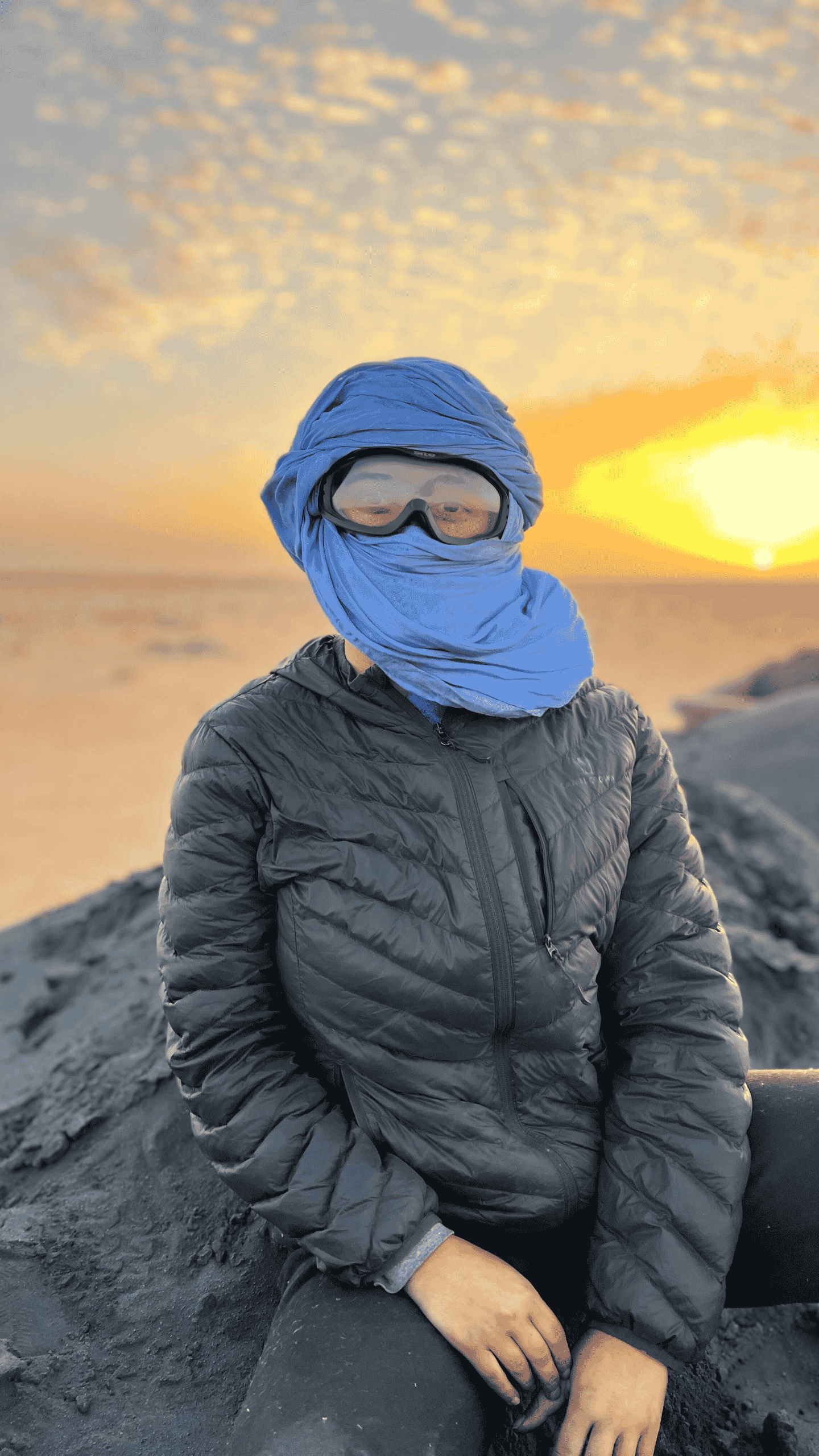
The moment you board, the iron ore dust hits you. Cover every inch of exposed skin: goggles on, shawl across your face, and sleep. This is genuinely the best strategy for the first several hours.
I made a makeshift bed from my blankets, got surprisingly warm, and slept through the dustiest part of the journey. I woke up around 4am to find another group of travelers boarding at a stop. This was one of the travel companies. They had camped overnight near Ben Amera or Inal and boarded later, meaning less time on the train but also less of the desert experience.
As the sun began to rise we were deep in the open Sahara and no longer had to hide. I have been to over 100 countries and let me tell you: one of the best sunrises I’ve seen in my life. Just the sunrise itself was worth the trip.
Practical Info
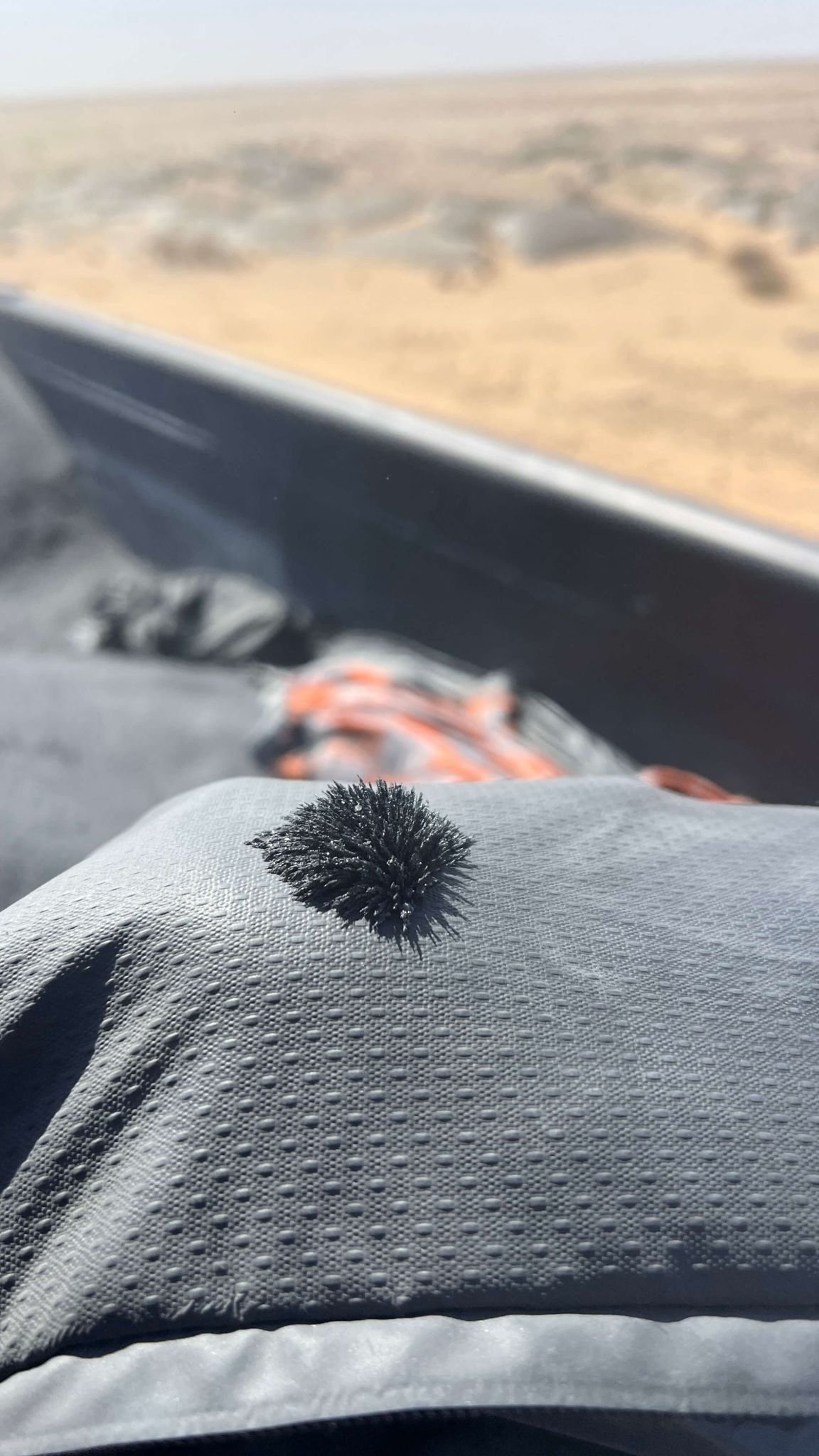
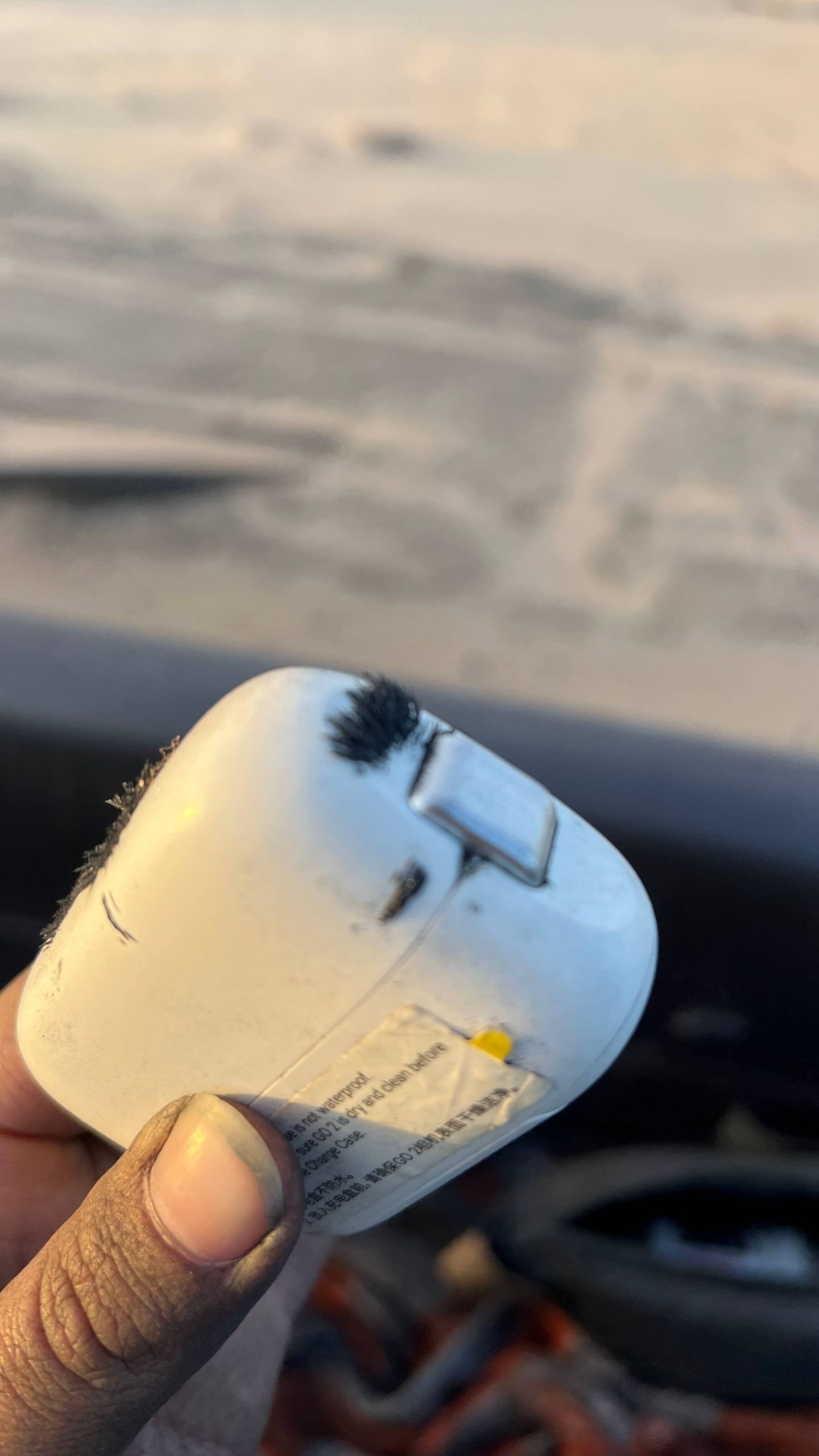
On the iron dust: something almost nobody talks about is what the iron ore dust does to your electronics. The metal particles cling to everything: your phone, your camera lens, even your bag. This might damage them. Beware.
On comfort: most of the journey is simply sitting on top of iron ore watching the Sahara slowly pass by. Fifteen to sixteen hours of discomfort for one of the most extraordinary travel experiences on earth. It is not for everyone. But that trade-off is entirely worth it.
On logistics: at some point you will need to designate a corner of your wagon as a toilet. This is the reality of up to sixteen hours in an open wagon with no facilities. Pro tip: remember which corner you chose.
I ate very little the day before to not have to do anything but pee. I unfortunately got my period a few hours before we boarded. Nothing a menstrual cup, pads and underwear period cannot fix. I was completely fine. I just had to take lots of painkillers.
By midday the Saharan heat kicks in and the sun is strong with several hours still remaining. Stay hydrated and stay covered.
When roads start appearing on the horizon, you are approaching the coast. The journey from Choum is approximately fifteen hours with stops, though this varies depending on where you board and whether the train makes additional stops.
Arriving in Nouadhibou: What Nobody Talks About
The train does not drop you in the city center. It stops outside Nouadhibou and informal taxis will be waiting. Have cash ready, negotiate your fare, and have your accommodation booked in advance. You should also have offline Google Maps downloaded. You will be exhausted, coated in iron dust, and not in a state to figure out logistics from scratch.
Here is what almost no travel content covers: what happens after you get off.
I chose a guesthouse by the beach (booked through Booking) and I’m so happy I did. I arrived at my guesthouse and the woman running it took one look at me and laughed. “You’re not clogging my drains,” she said. I scrubbed off outside in the sea before being allowed inside for a proper shower.
The next few days are less about adventure and more about recovery. Cleaning every single item you own. Resting. I won’t recommend specific guesthouses in Nouadhibou. My experience with one host was negative because he was homophobic towards the travel buddies I had on the train with me. The place and environment itself was stunning.
Practical Summary
Best time to go: October to March
Avoid: May to September because of the heat
Board from: Choum, not Zouerat
Guesthouse fee: Around €12 to facilitate boarding
Train Frequency: 3-4x per week
Buffer Days Needed: 2 if the train is running late, which you never know if it is.
Fine if caught: €50, nobody has confirmed paying it
Essential gear: check my packing list
Buy gear in: Atar, not Choum
Currency: Euros for accommodation and guides, ouguiyas for local shops
Visa: apply early, buy refundable flights if it doesn’t go through
Journey time: Around 15 hours from Choum
A Final Word
The iron ore train is one of the coolest travel experiences I’ve had across more than a hundred countries. It is also one of the most complex, especially when it comes to political and humanitarian issues. Ride it with full awareness of what it represents and respect for everyone else making that crossing for very different reasons than adventure.
Mauritania is one of the most undervisited and misunderstood countries in the world. The train is a reason to go. Atar, Chinguetti, Ouadane, the Sahara, and the incredible hospitality of Mauritanians are just a few reasons to stay longer than you planned.
Check Out My Other Mauritania Guides
Book a 1-on-1 consultation for help planning your route. I traveled from Cote D’Ivoire to Western Sahara using public transportation as a solo female traveler.
Hey there, and welcome to Go Global with Sibu! I’m a global citizen that has been living and traveling around the world since 2005 – all through budget travel, scholarships, study/work and living abroad opportunities. I share everything I’ve learned over the years here – to prove to you that you don’t need money or privilege to enjoy everything that this world has to offer.