Is Mauritania Safe for Solo Female Travelers?
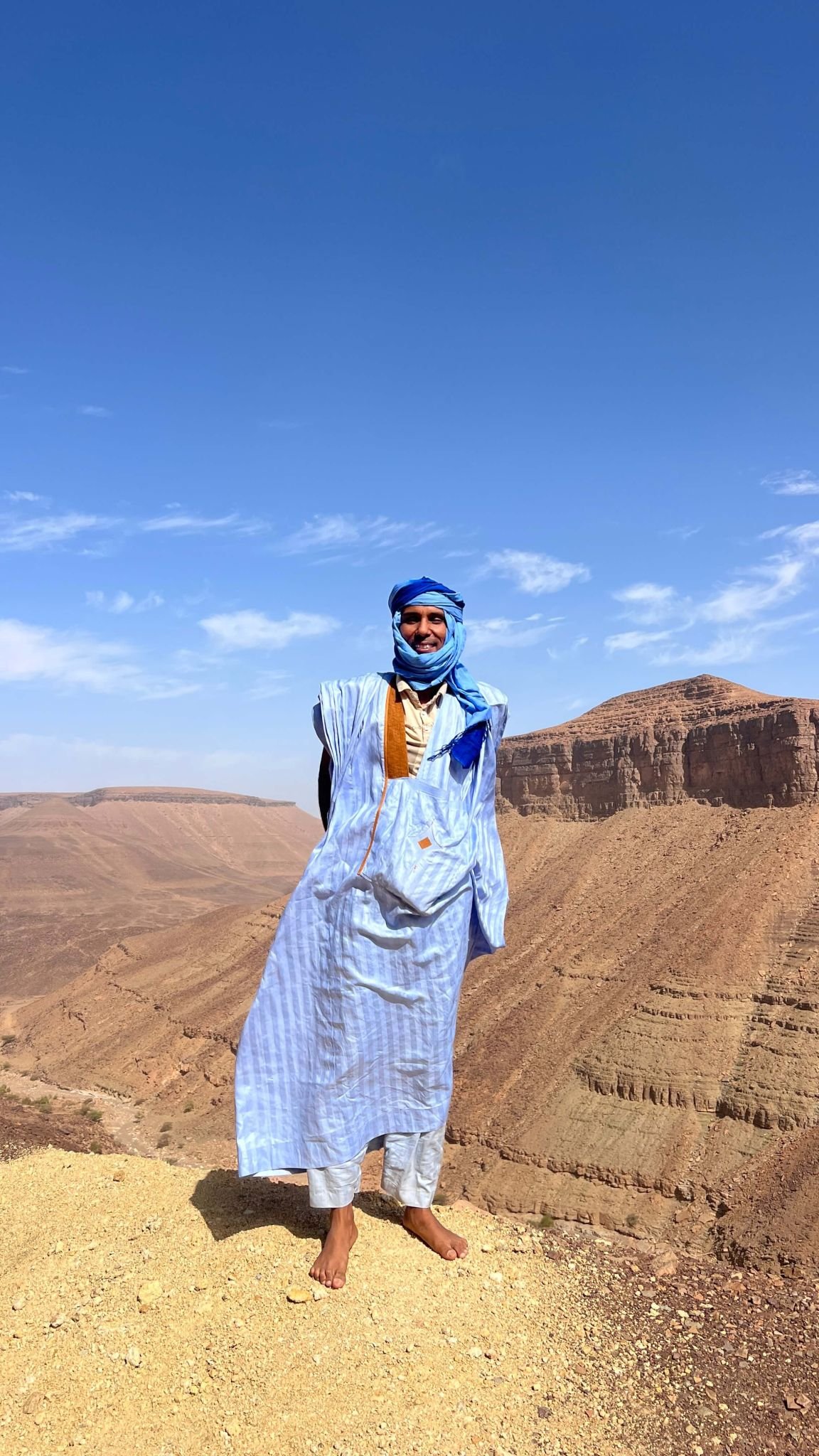
Is Mauritania Safe for Solo Female Travelers?
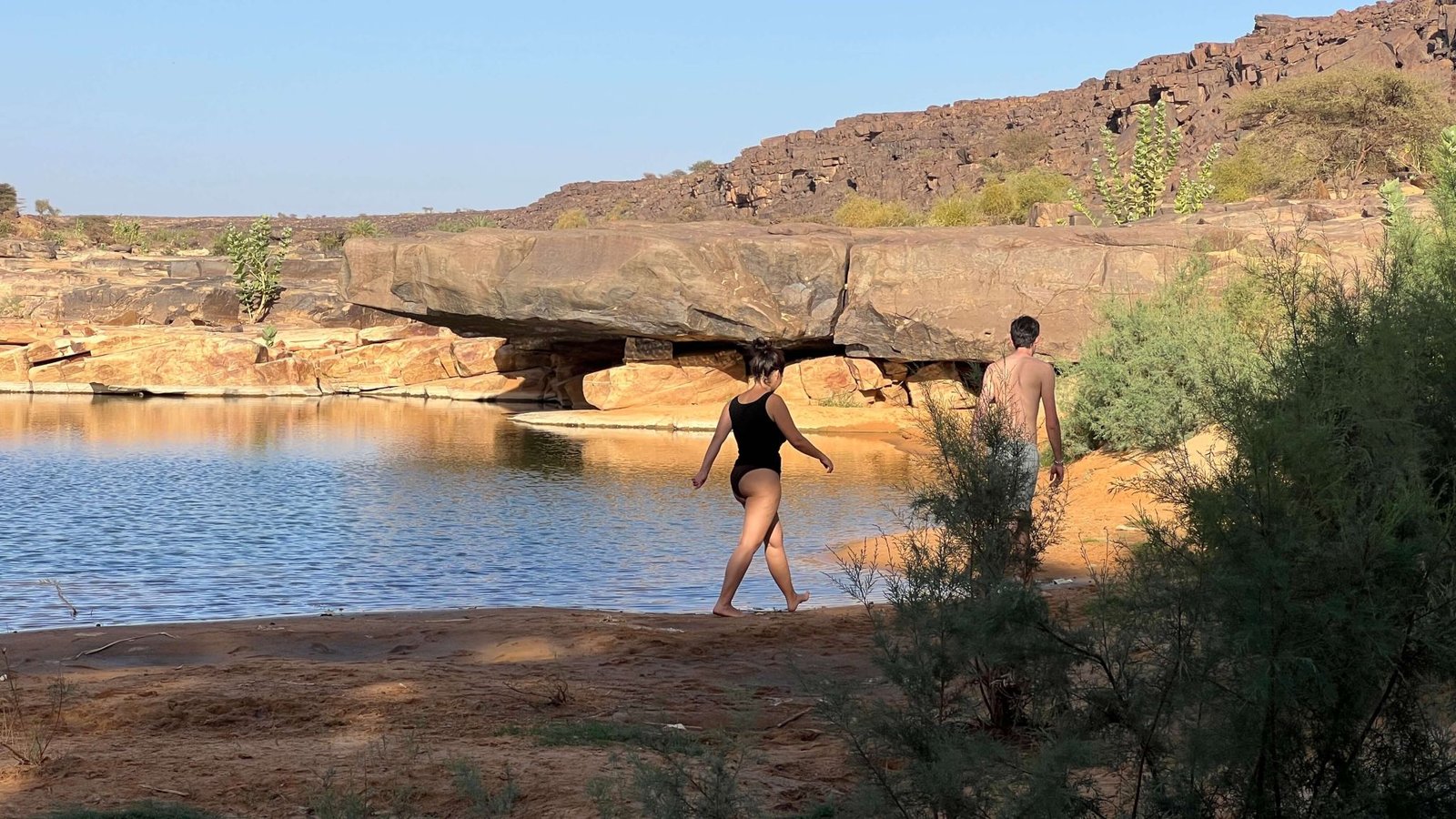
If you’re asking whether Mauritania is safe for solo female travelers, the honest answer is: yes, with the right preparation, the right precautions, and a realistic sense of what kind of traveler you are. I traveled Mauritania alone, rode the iron ore train, crossed the desert, and navigated the country’s checkpoints, cities, and remote areas without ever feeling genuinely unsafe.
That said, Mauritania is not a beginner destination. If this is your first or second solo trip, save it for later. If you’re a mid-level or experienced solo female traveler who is comfortable with uncertainty, limited infrastructure, and being the only tourist in the room, Mauritania is absolutely worth it and it’s great for adventure travel. It was my 2nd favorite country on my 9-country journey across the region (which you can watch here).
What Most Travel Advisories Say, And What I Actually Think
Most government travel advisories classify Mauritania as dangerous and recommend against non-essential travel. I have a full breakdown of how to read travel advisories here, but the short version is this: advisories are written to cover worst-case scenarios across an entire country, including border regions that see genuine conflict and instability.
The border areas of Mauritania (particularly those near Mali and parts of the Sahel) are genuinely risky and should be avoided. I am not disputing that.
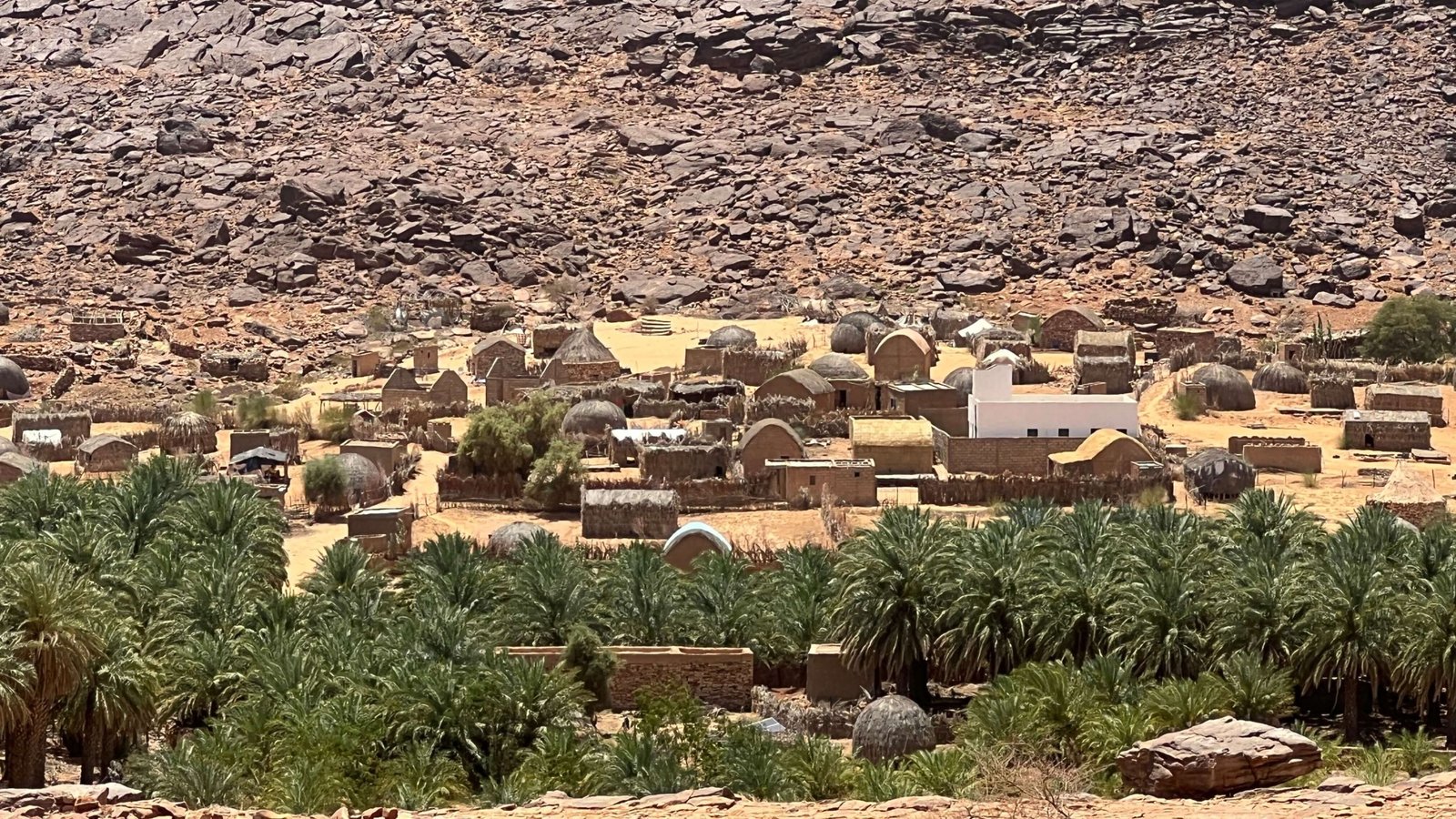
Mauritania itself, the areas most travelers visit: Nouakchott, Atar, Chinguetti, Ouadane, the iron ore train route, Nouadhibou – are a different story. I took normal precautions throughout and never felt threatened. The blanket “dangerous” classification does not reflect the reality of traveling in the main tourist areas of the country
The Practical Reality of Traveling Mauritania as a Solo Woman
Dress Code
Mauritania is a Muslim majority country and dressing respectfully is both a cultural requirement and a practical safety measure. The last thing you want to do as a tourist is stand out even more, since most women do wear local clothing. I wore long pants and baggy shirts throughout my trip. Or a light button-down long-sleeved shirt that I’d take off, and always wore a t-shirt underneath. A headscarf or hijab is not required, but covering your legs is. You can show your arms.
The Checkpoints
Mauritania has a significant number of police and military checkpoints, particularly on the roads between cities. This is one of the most visible signs of how much the country has changed in recent years under EU pressure to control migration flows.
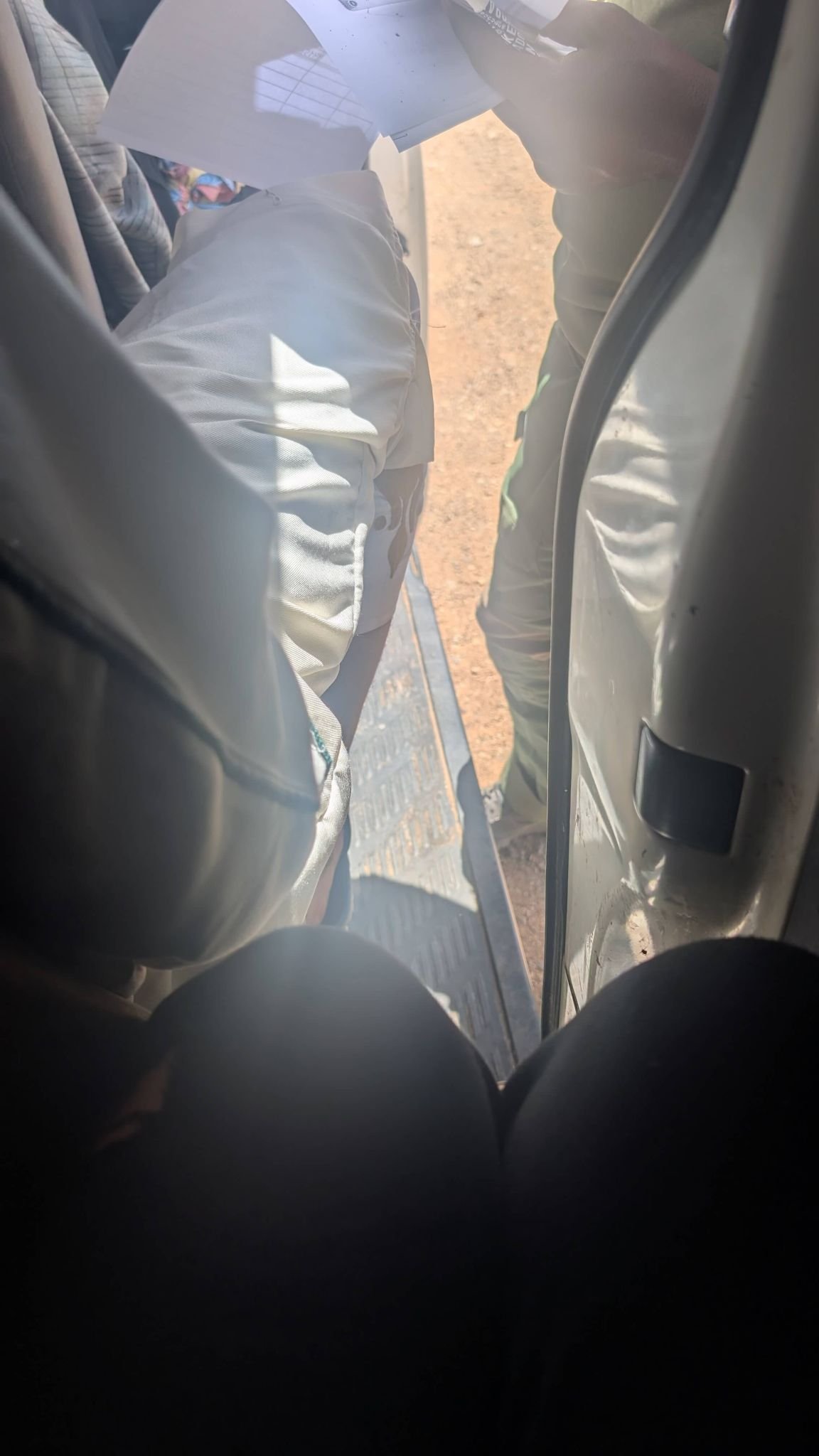
The checkpoints are not something to be nervous about as a tourist, but they do require preparation. Print around 20 copies of your passport before you arrive. You will hand them out at checkpoints throughout the country and you will slow down everyone in your vehicle if you don’t have them ready. This is for foreigners. Fellow local travelers will thank you for this, otherwise you’ll all be stuck at each checkpoint and it will be your fault. Print them before you leave home and give the copies to your driver. Finding printing shops in Nouakchott is not exactly easy. The driver will hand them out as needed and then you can ask for the rest.
Daytime Travel Only
Always travel between cities during the day. This applies to every traveler in Mauritania but is especially important for solo female travelers. Do not try to do overnight road journeys. The iron ore train is a specific exception to this but for all other overland travel, daylight only.
Partner Up When You Can
If you encounter other travelers heading in the same direction, partner up. This is the only way in which I personally was willing to go into the desert. I was not going to camp alone in a remote area with guides I had just met, however friendly. Partnering with other travelers you have vetted on the road solves this problem, splits costs, and adds a layer of practical safety that goes a long way in a destination like this.
For the iron ore train specifically (I cover this in detail in my iron ore train guide) try to find traveling companions before you board. Getting up and down the wagon with heavy bags is kind of difficult alone. If you do end up riding solo, choose a wagon on your own so you are not sharing a space with strangers overnight.
I was traveling from West to North Africa using public transportation and barely encountered any tourists. Most people do it the other way around: from Morocco then make their way to West Africa. You’ll have higher chances of coming across other travelers if you avoid my route.
Staying Connected
If you want a physical sim card, I highly recommend getting one at the border. I personally wasn’t able to get one (it was getting late and they knew I was the only one there and wanted to rip me off). Getting one in town is very difficult and requires paperwork. Use a eSIM if you can, I recommend Airalo. Don’t expect your sim card (physical or eSIM) to work while on the train, though.
Nouakchott
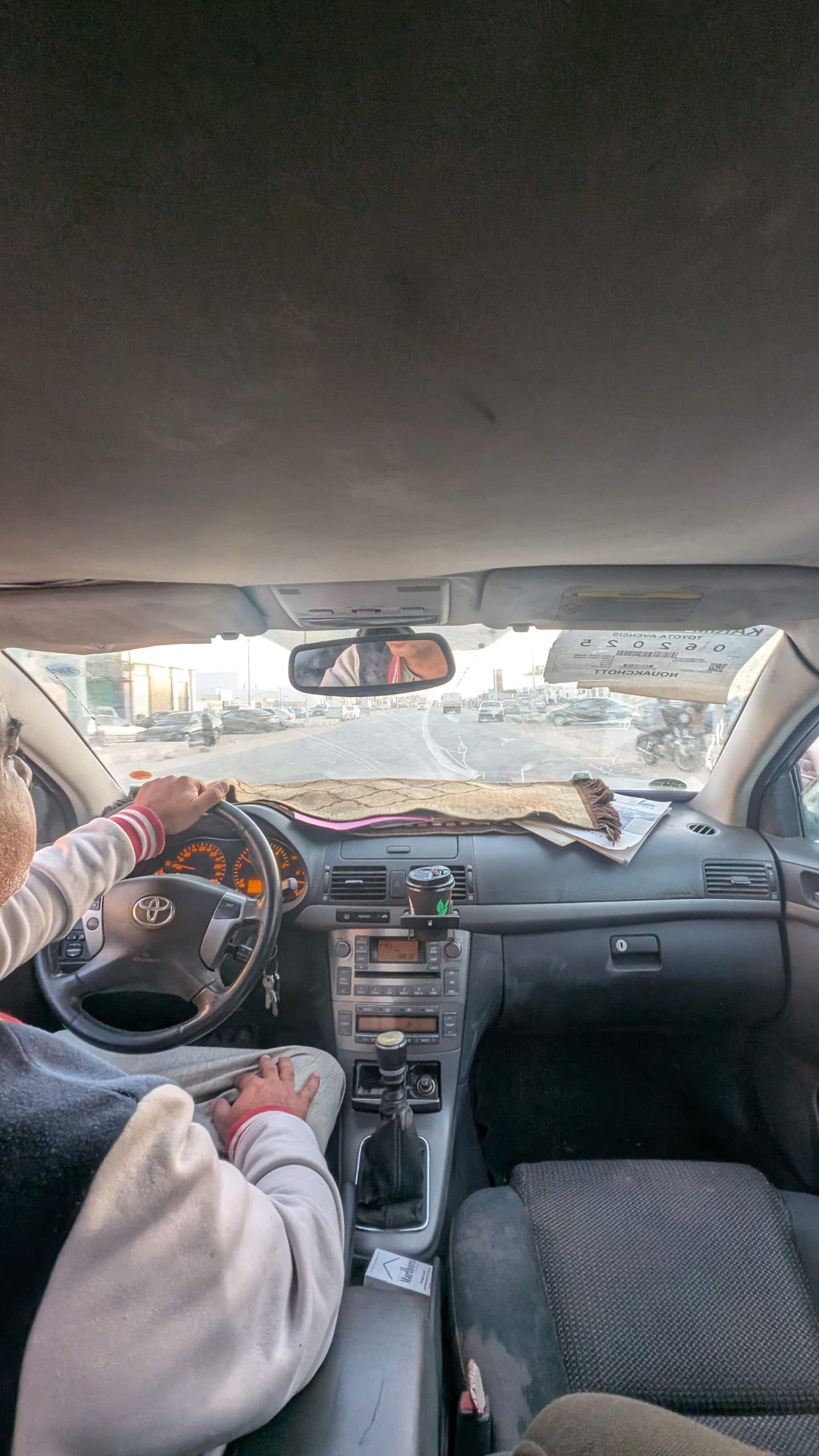
I stayed in the area near the Olympic Stadium and found it safe and easy to navigate. I walked to get food at night without any issues. The area is straightforward, relatively calm for a capital city, and a good base for a night or two before heading into the interior.
Cash is essential in Nouakchott, ouguiyas specifically for restaurants, local shops, and local transportation. Euros work for guides and anyone working in the travel industry. ATMs exist but do not rely on them. They don’t dispense a lot of money and some don’t even work on weekends. I had to find that out the hard way when I arrived on a Sunday and needed money for food. Bring more cash than you think you need and keep it in multiple places.
Local Interactions
Every Mauritanian I encountered was friendly and welcoming. I experienced no harassment, no hostility, and no disrespect. This goes for locals, from guesthouse owners, from guides, or from anyone at the checkpoints. I was usually the only woman in the places I was in, and felt completely fine. Dressing appropriately and approaching the country with genuine curiosity and respect goes a long way.
This is worth saying clearly because Mauritania has a reputation that puts people off. The people I met were warm, hospitable, and genuinely happy to have visitors. The country’s reputation for danger comes from its geography and geopolitics, not from how locals treat travelers.
My Honest Assessment: Who Should Go
Mauritania is right for you if:
- You are a mid-level or experienced solo female traveler
- You are comfortable with uncertainty, limited infrastructure, and being off the beaten path
- You are genuinely curious about a country very few visit
- You are happy to dress conservatively and follow local norms without pushback
- You can handle the logistical complexity of checkpoints, cash-only systems, and unreliable transport
Mauritania is not right for you if:
- This is your first or second solo trip
- This is your first Muslim-majority destination
- You need reliable internet, consistent accommodation standards, or predictable transport
- You are not comfortable with remote, unfamiliar environments
- You are unwilling to dress the part
Final Verdict
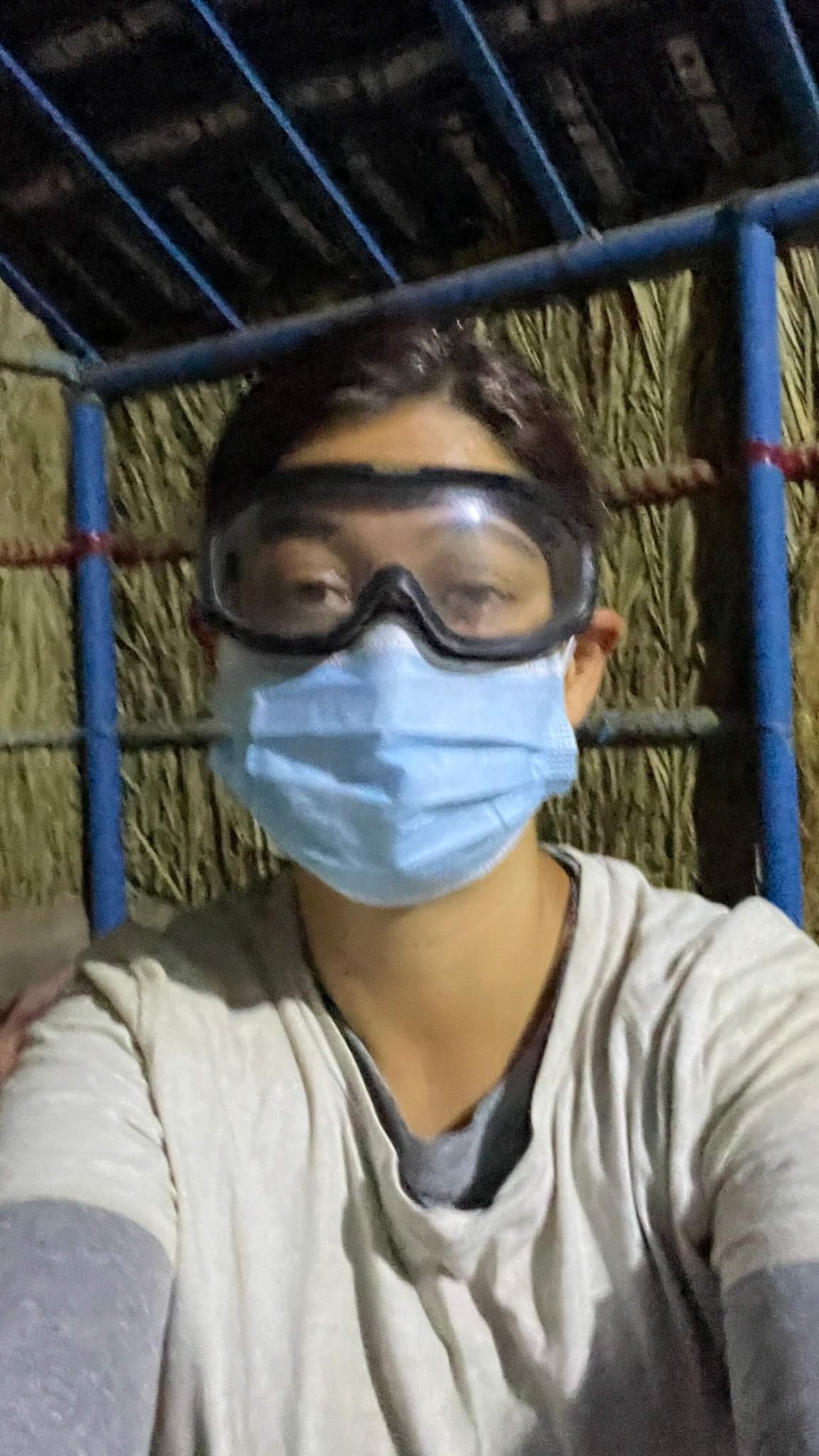
Mauritania is safe for solo female travelers who go in informed and prepared. I would not send a first-time solo traveler there. The infrastructure is too limited and the logistics too complex for someone still building confidence, because that’s what it’s all about: experience and confidence. But for experienced solo travelers, it is by far one of the best adventure destinations I’ve ever been to. For more solo female travel tips, make sure to check out these posts.
30 Best & Safest Destinations for Solo Female Travel (2027): Best Places to Explore in 2027
Solo Female Travel Safety Tips: How to Stay Safe Anywhere
Scared to Travel Alone? Solo Travel Made Easy: Start Here!
Egypt: A Solo Female Traveler’s Guide: Safety, Tips & What to Expect
Check Out My Other Mauritania Guides
Need help planning your route? Book a 1-on-1 consultation. I traveled from Cote D’Ivoire to Western Sahara using public transportation as a solo female traveler.
Hey there, and welcome to Go Global with Sibu! I’m a global citizen that has been living and traveling around the world since 2005 – all through budget travel, scholarships, study/work and living abroad opportunities. I share everything I’ve learned over the years here – to prove to you that you don’t need money or privilege to enjoy everything that this world has to offer.