What to Pack for Mauritania (Including the Iron Ore Train)
What to Pack for Mauritania (Including the Iron Ore Train)
I rode the Mauritania iron ore train in April, and it’s the trip I get the most packing questions about. Here’s my list, split into what to bring with you and what to buy on the ground.
Planning the ride itself? Start with how to ride the iron ore train. Wondering about risk? Read is Mauritania safe.
When to go
October or November through April at the latest. I went in April and the days were already hot. The heat is what gets you, and the nights are freezing, so you need to plan for both on the same trip.
What to bring with you
Clothes: old, layered and covering
- Old clothes and old shoes that you’re fine saying goodbye to. Unless you’re certain you can wash them (and believe me, you probably won’t), they’re not coming home clean.
- Long pants, long socks, and layers on top.
- A cheap old jacket. Mine was from Amazon, and with layers it worked well. I’ve been using this same one for years, super easy to pack. I just got the same one after the trip to replace it.
- A UV long-sleeved shirt.
- Sunscreen, applied before you board. Don’t expect to reapply, so the long sleeves matter.
Face and lungs
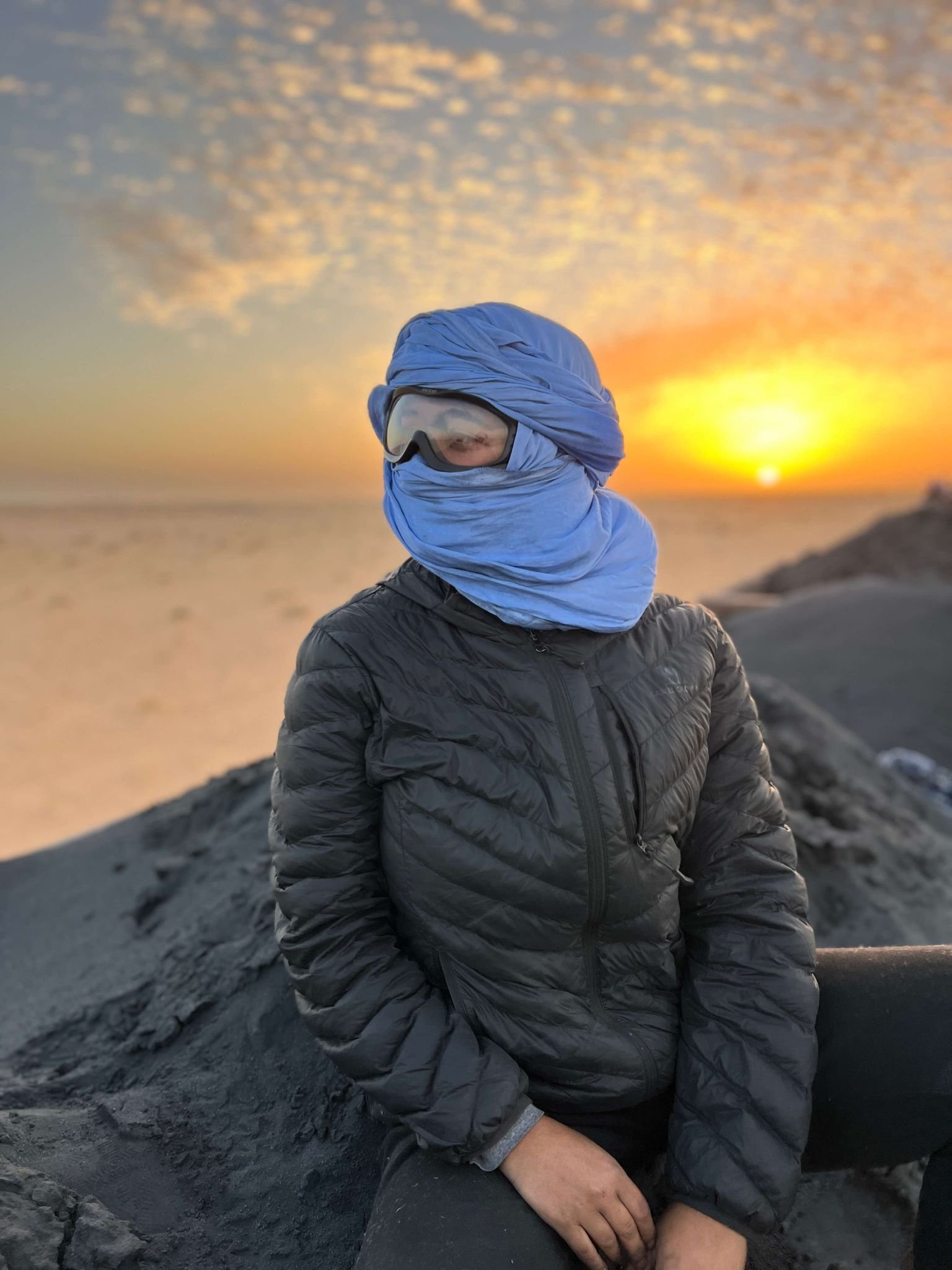
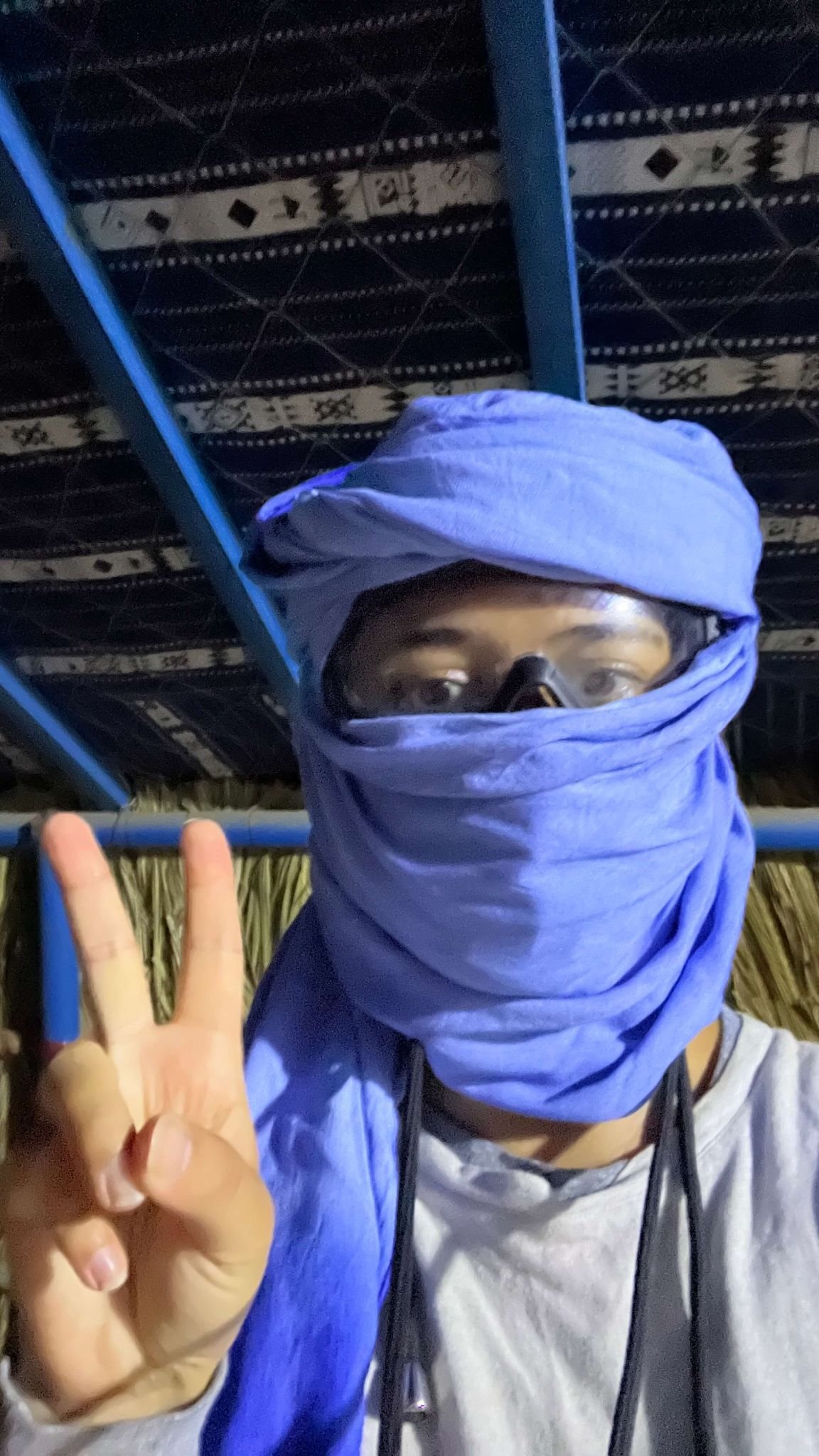
- Ski goggles. These are absolutely necessary. You might find some on the ground in Atar, but if you can’t, don’t say I didn’t warn you.
- A blue Mauritanian head scarf, the typical kind locals wear. You can buy it on the ground (it’s called hawli) and wrap your head with it. This is great for photo opps.
- You will inhale a lot of iron ore. I wasn’t worried personally: I lived in China for seven years before the air was cleaned up and I breathe city pollution every day. But I’m not a doctor, and if you have asthma or any breathing problem, bring a proper respirator mask and think hard about whether to go or not.
Bags and devices
- A backpack (my go-to is the Osprey 40L), not a suitcase, plus a rain or dust cover for it. Make sure the cover doesn’t glow in the dark.
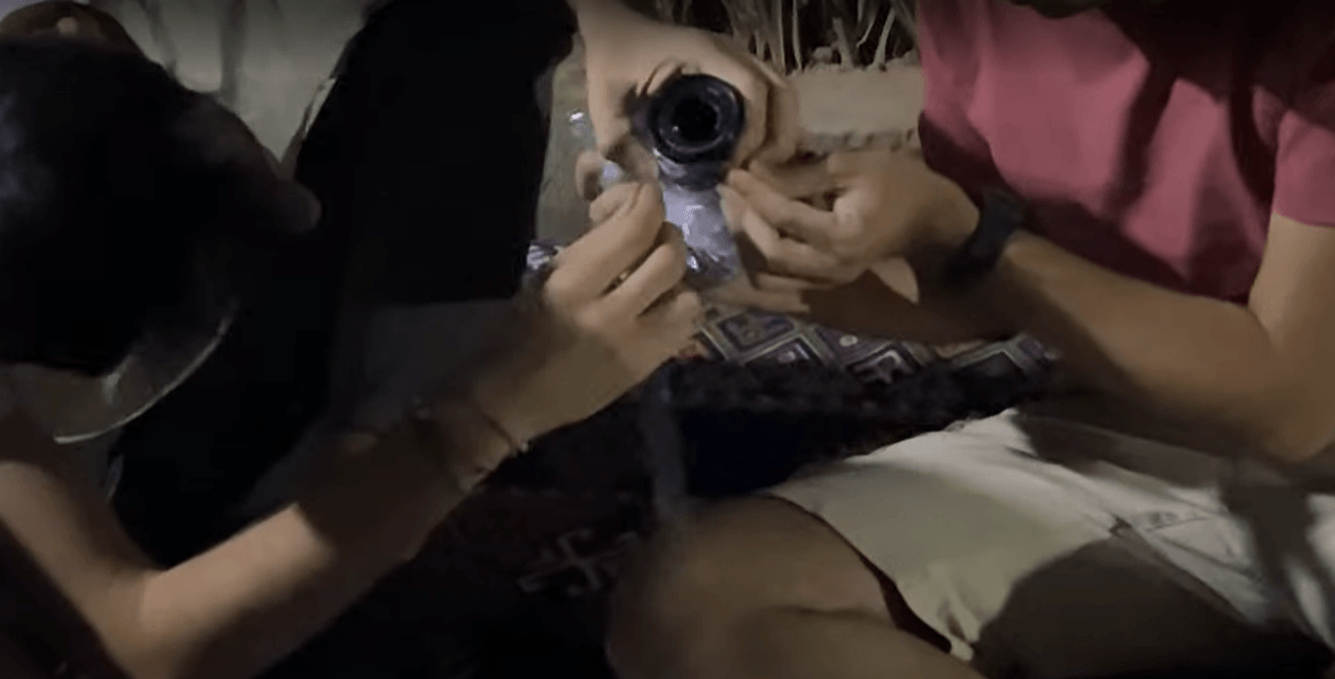
- Ziploc bags for your devices, and cling wrap/plastic bags to wrap them in.
- A smaller daypack for your phone, camera (my Insta360 did well on the train), power bank, tissues and hand sanitizer.
- Baby wipes. Anything electronic that can’t get wet gets wiped, not washed.
Documents, money, etc
- 20 copies of your passport. You’ll need them for checkpoints.
- Cash in euros. Euros are king in Mauritania, and much more useful than US dollars.
- Bring enough euros to pay for all your activities in cash. ATMs are often closed and only give out small amounts.
- Rehydration sachets or tablets
Menstruation
- I got my period a few hours before we got on the train (lucky me – note the sarcasm) but I was ready for this. A menstrual cup and period underwear saved me, so bring both and your own painkillers. I’ll talk about this openly because half the world’s population is women. We all came from women, so get over it.
Quick answer: the essentials
- Ski goggles
- Old clothes and shoes you’re fine getting rid off
- Long pants, long socks, layers and a cheap jacket
- A backpack (no suitcase) and a backpack cover
- Plastic bags (like Ziploc) to protect your devices
- Euros in cash and 20 copies of your passport
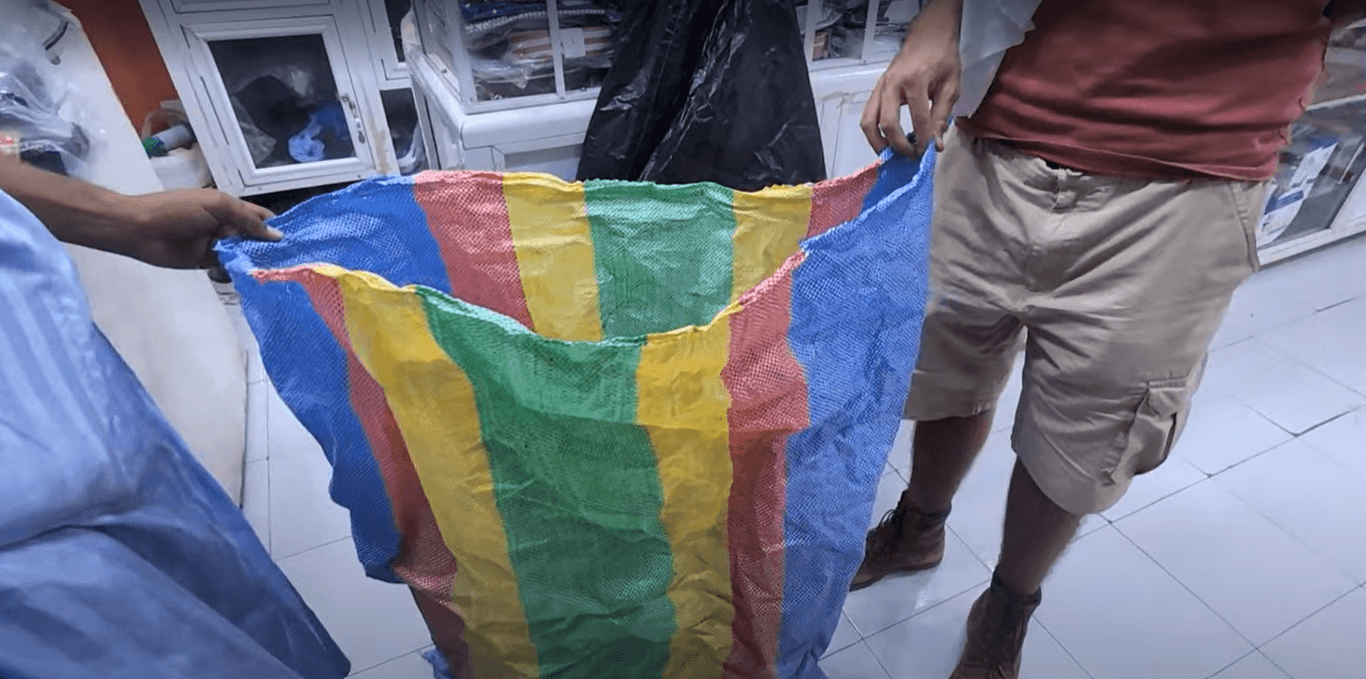
- 3 blankets and an empty rice sack from Atar
What to buy on the ground (in Atar)
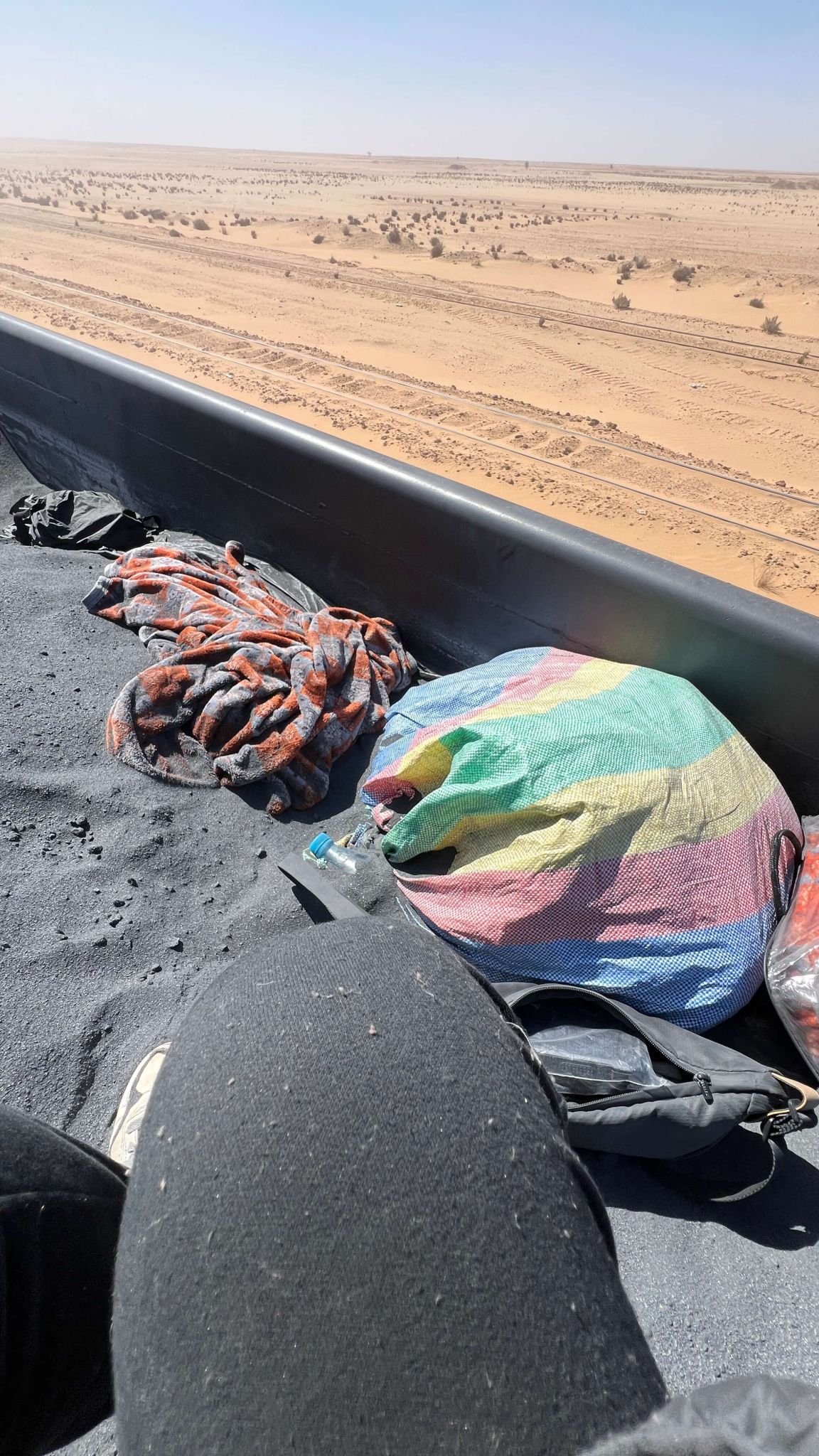
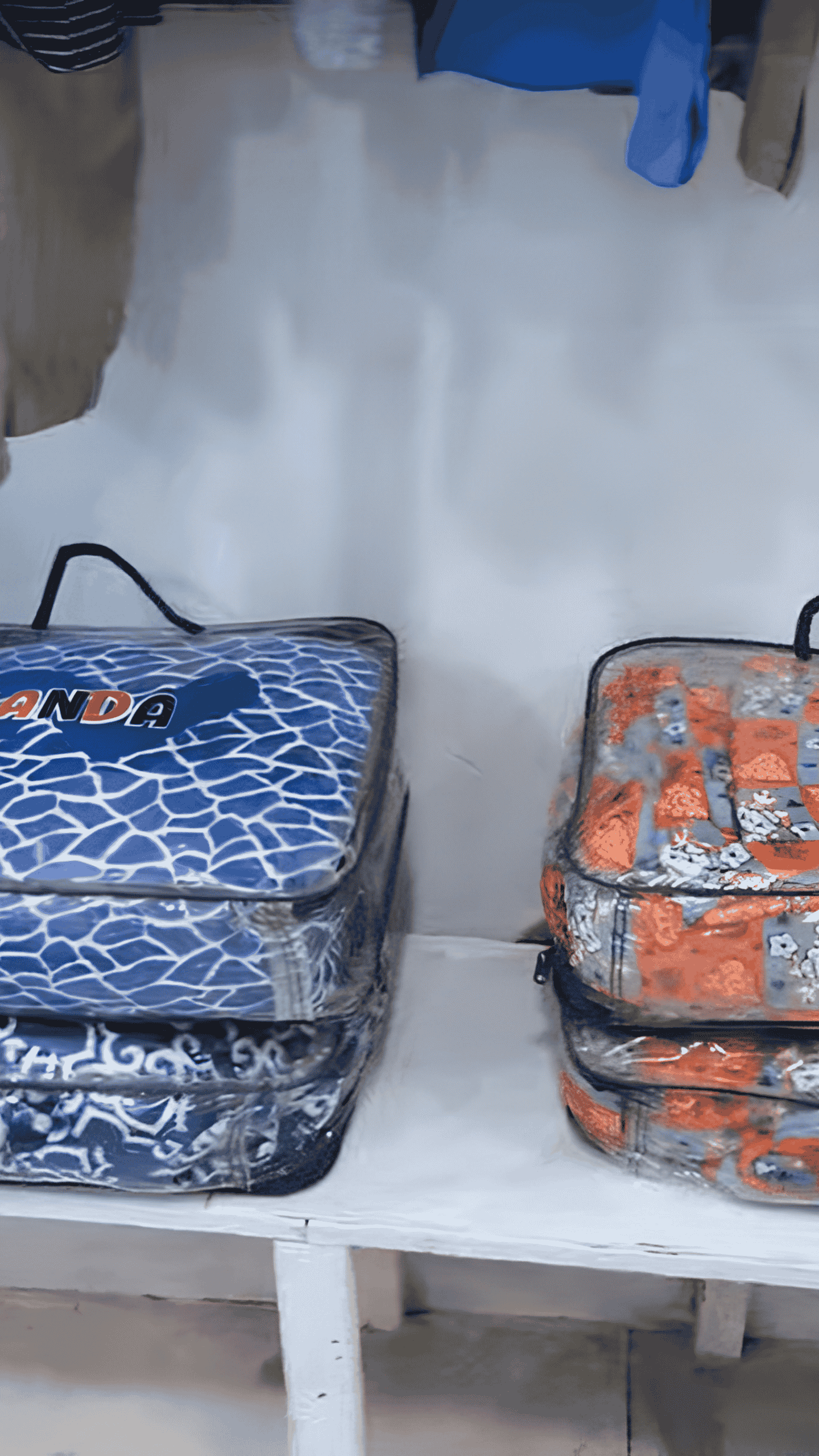
- An empty rice sack for your bags, so your other belongings stay clean. This worked really well.
- Blankets. I bought three and they weren’t expensive. I don’t remember the price. I was lying down on one and covered myself with the other two. Some people bring sleeping bags, but they get absolutely filthy and the iron ore can clog drains, so only bring one if you’re happy to leave it behind.
- Snacks. We bought plenty and barely ate them.
Money: two kinds of ouguiya
Mauritania has old and new ouguiya in circulation, and plenty of people still use the old one. The old currency has an extra zero, so always check which one a price is quoted in. Check the exchange rate before you pay anyone, so you don’t get ripped off.
On the train: water, food and the toilet
- Water and food: I sipped water the whole ride (that means I didn’t even drink a whole bottle) and stopped eating solids about six hours before boarding. I emptied my bowels at the guesthouse first. That’s how I handle long travel days as a solo woman, and it’s how I got through months of overlanding multiple chunks of Africa. It worked for me, but everyone is different. If you try it, carry more water than I did and bring rehydration salts, because heat plus dust plus sipping adds up.
- The toilet: There isn’t one. We chose a designated corner and crouched to pee there. Bring tissues and hand sanitizer. We also kept a separate plastic bag for waste.
- Light: Bring a headlamp, but we kept it off at night so we wouldn’t draw attention when the train stopped. Moonlight helped a lot.
- Signal: There’s barely any, even with roaming or a local SIM. I picked up a satellite signal sometimes, enough to check roughly where we were on Google Maps.
- The ride I took was around 17 hours. It might be more or less for you. I’d plan for 12+ hours.
After the train: Nouadhibou
- Stay at least one night in Nouadhibou before moving on. You don’t want to travel or cross into Western Sahara covered in iron ore.
- Wash your gear in a bucket of water or in the sea, not in the shower, because the ore clogs the drains.
- Donate your blankets and whatever else you don’t want that’s in good shape to your guesthouse. Please ask beforehand. They might not want your waste.
What I’d leave at home
Suitcases, anything you can’t wash or replace, and anything new or white.
FAQ
What should I wear on the iron ore train? Old long pants, long socks, layers, a cheap jacket, a UV shirt, a head scarf and ski goggles.
Is there a toilet? No. Pick a corner.
Can I use my phone? Barely. Don’t count on any signal.
Are euros or dollars better? Euros, in cash.
Is it safe? See is Mauritania safe?
What about for the rest of the country?
Since it’s a Muslim-majority country, I recommend dressing modestly everywhere outside the train. It also happens to be the smartest choice for the heat and sun.
- Cover your shoulders and knees. Loose, lightweight long pants or a long skirt, and tops with sleeves. Skip shorts and tank tops, for men too. If you think you might be swimming, go for a one-piece bathing suit.
- Choose breathing fabrics. Cotton or linen in light colors keeps you cooler than shorts and a t-shirt, and it protects you from the sun.
- Women: carry a light scarf. A scarf over your hair isn’t always required, but it makes things easier in smaller towns and around mosques, and you can use it for dust and sun too. The same goes for men! Get a blue hawli if you can.
You can still wear your old, dusty clothes for the train, then change into a clean, modest outfit once you get into town.
Some links in this post are affiliate links. If you buy through them I earn a small commission at no extra cost to you.
Check Out My Other Mauritania Guides
Need help planning your route? Book a 1-on-1 consultation. I traveled from Cote D’Ivoire to Western Sahara using public transportation as a solo female traveler.
Hey there, and welcome to Go Global with Sibu! I’m a global citizen that has been living and traveling around the world since 2005 – all through budget travel, scholarships, study/work and living abroad opportunities. I share everything I’ve learned over the years here – to prove to you that you don’t need money or privilege to enjoy everything that this world has to offer.